
Blogs


Planning Ahead: When Is the Right Time for Assisted Living?
Deciding when assisted living may be appropriate for an older adult is rarely based on a single event. More often, the need becomes clearer through a series of small changes involving safety, health, mobility, daily routines, or social well-being. Planning ahead gives older adults and their families more time to understand their options and make thoughtful decisions rather than responding to a crisis.

Understanding the Cost of Assisted Living and Payment Options
Choosing assisted living is an important decision that involves both care needs and financial planning. For older adults and their families, understanding how assisted living costs are structured can make the process easier and help prevent unexpected expenses.

How Families Stay Involved After the Move
Moving a loved one into a senior living or care community is a significant transition for the entire family. Although daily responsibilities may shift to professional caregivers, the family’s role does not end once the move is complete. In many ways, staying involved becomes even more important as a loved one adjusts to new surroundings, routines, relationships, and levels of support.

Understanding the Emotional Journey of Moving to Assisted Living
Moving to assisted living is a major life transition that can bring a wide range of emotions for older adults and their families. Even when the decision is made for practical reasons, such as increased safety, support with daily activities, or access to care, the emotional side of the move can be just as significant as the physical transition.
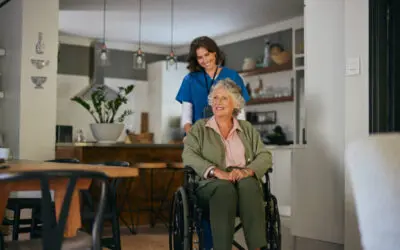
Questions Families Should Ask When Touring Assisted Living Communities
Choosing an assisted living community is an important decision that can affect a loved one’s comfort, safety, independence, and overall quality of life. Online research and brochures can provide helpful information, but an in-person tour offers families a closer look at how a community operates from day to day.

How to Talk to a Loved One About Assisted Living
Talking to a loved one about assisted living can be one of the most sensitive conversations a family has. For many older adults, the idea of leaving a familiar home can bring feelings of uncertainty, sadness, or concern about losing independence. Family members may also struggle with guilt, worry, or fear of saying the wrong thing.

How Families Stay Involved After the Move
Moving a loved one into an assisted living community or skilled nursing center is often viewed as the end of a long decision-making process. In reality, it marks the beginning of a new chapter for the entire family. While care teams take on many day-to-day responsibilities, family members continue to play an important role in supporting their loved one’s emotional well-being, maintaining meaningful relationships, and participating in important decisions.

Understanding the Emotional Journey of Moving to Assisted Living
Moving to an assisted living community is often viewed as a practical decision, but it is also an emotional milestone. For older adults, leaving a familiar home and adjusting to a new environment can bring a wide range of feelings. Family members may experience their own emotions as well, including relief, guilt, uncertainty, and hope. Understanding these emotions can make the transition more compassionate and less overwhelming for everyone involved.

Questions Families Should Ask When Touring Assisted Living Communities
Choosing an assisted living community is one of the most important decisions a family can make. While online research can provide valuable information, visiting a community in person offers the opportunity to see daily life firsthand, meet team members, and ask questions that go beyond what is listed on a website. A thoughtful tour can help families determine whether a community is the right fit for their loved one’s needs, preferences, and long-term goals.

How to Talk to a Loved One About Assisted Living
Talking to a loved one about assisted living is rarely an easy conversation. It often involves emotions, uncertainty, and concerns about losing independence. Many older adults value staying in their own homes, making discussions about a move feel overwhelming or even threatening. At the same time, family members may notice changes in health, safety, or daily living that make additional support necessary.