
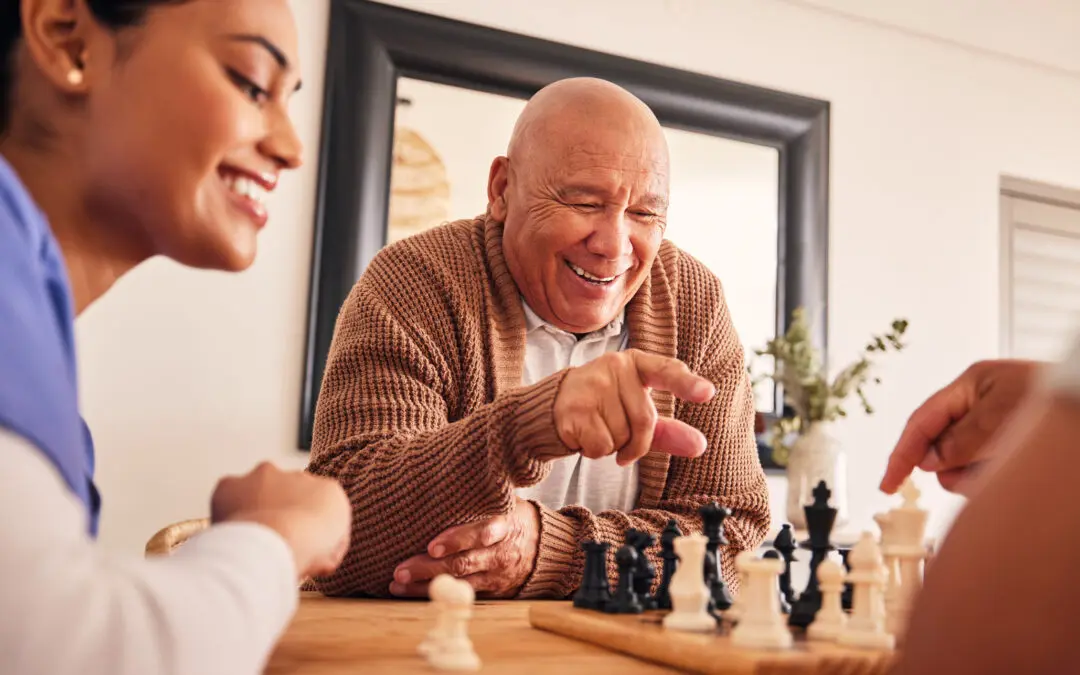
Assisted living communities are designed to provide older adults with the right balance of independence and daily support. For many seniors, living completely on their own can become difficult over time, especially when routine tasks such as cooking, managing medications, or maintaining a household start to feel overwhelming. Assisted living bridges this gap by offering personalized care while still allowing residents to maintain autonomy in their daily routines.
Unlike nursing homes that focus primarily on medical care, assisted living communities emphasize lifestyle, comfort, and engagement. Residents typically live in private or semi-private apartments where they can enjoy a familiar home-like environment. At the same time, trained staff members remain available around the clock to assist whenever help is needed.
This structure allows seniors to continue living with dignity and confidence while benefiting from a safe and supportive community.
Morning Routines and Personal Care
A typical day in assisted living often begins with individualized morning routines. Residents wake up at their preferred time, allowing them to maintain the habits and rhythms they developed throughout their lives. For many seniors, maintaining these routines provides a strong sense of stability and comfort.
Staff members may assist with personal care tasks such as bathing, grooming, dressing, or medication management. This support is tailored to each resident’s needs. Some individuals may require minimal assistance, while others benefit from more hands-on help to ensure they start their day safely and comfortably.
Breakfast is usually served in a communal dining area where residents gather to enjoy a nutritious meal. Dining together often becomes one of the most anticipated parts of the day, providing opportunities for conversation and social interaction with neighbors and friends.
Engaging Activities and Social Opportunities

One of the most valuable aspects of assisted living is the emphasis on social engagement. Many seniors experience loneliness when living alone, especially after retirement or the loss of a spouse. Assisted living communities actively address this challenge by offering structured activities and social events designed to keep residents mentally and emotionally stimulated.
Daily schedules often include a variety of recreational programs such as exercise classes, arts and crafts, music sessions, book clubs, and educational workshops. These activities encourage residents to explore hobbies, stay physically active, and connect with others who share similar interests.
Community outings are also common. Residents may participate in trips to local parks, shopping centers, cultural events, or restaurants. These outings help maintain a connection with the surrounding community and provide meaningful experiences beyond the facility itself.
For many seniors, these shared activities foster friendships and create a strong sense of belonging.
Dining and Nutrition
Meals in assisted living communities are carefully planned to ensure residents receive balanced nutrition while also enjoying a pleasant dining experience. Professional kitchen staff prepare meals that accommodate a wide range of dietary needs, including low-sodium diets, diabetic-friendly options, and other medical considerations.
Residents often have menu choices, allowing them to select meals that suit their preferences. Dining areas are designed to feel welcoming and comfortable, often resembling restaurant-style settings rather than institutional cafeterias.
In addition to main meals, many communities offer snacks throughout the day as well as special dining events such as themed dinners or holiday celebrations. These gatherings help create a lively atmosphere and give residents something to look forward to throughout the week.
Health Monitoring and Support Services
Although assisted living focuses on independence, health support remains a critical component of daily life. Staff members monitor residents’ well-being and assist with medication reminders, mobility support, and coordination of medical appointments.
Many communities also collaborate with visiting healthcare professionals who provide services such as physical therapy, occupational therapy, or wellness checks. This ensures that residents receive the care they need without having to leave the comfort of their community.
Safety is another key priority. Assisted living facilities are designed with features such as handrails, emergency call systems, accessible bathrooms, and secure entryways. These features help reduce the risk of accidents and provide peace of mind for both residents and their families.
Afternoon Relaxation and Personal Time
Afternoons in assisted living communities often provide a balance between organized activities and personal relaxation. Some residents choose to participate in scheduled programs, while others prefer quieter pursuits such as reading, gardening, watching television, or spending time with visiting family members.
Many communities offer shared spaces like libraries, lounges, courtyards, and walking paths where residents can relax or socialize at their own pace. These spaces create opportunities for informal gatherings and help foster a welcoming atmosphere throughout the community.
Personal independence remains a central focus. Residents are free to spend their afternoons however they choose, ensuring that life in assisted living never feels overly structured or restrictive.
Evening Activities and Community Life
Evenings in assisted living often bring residents together once again. After dinner, many communities organize light entertainment such as movie nights, game sessions, live music performances, or group discussions.
These events help create a warm and engaging end to the day. For residents who prefer quieter evenings, their apartments provide a comfortable private space where they can unwind and enjoy personal routines.
The sense of community that develops through these daily interactions often becomes one of the most meaningful aspects of assisted living. Residents not only receive assistance when needed but also build friendships and connections that enhance their overall quality of life.
A Supportive and Enriching Environment
Daily life in assisted living is designed to promote both independence and support. By combining personalized care, engaging activities, nutritious meals, and a safe environment, these communities create a lifestyle that helps seniors remain active, connected, and comfortable.
For many older adults, assisted living offers more than just assistance with daily tasks. It provides a vibrant community where residents can continue enjoying meaningful experiences while receiving the support they need to thrive.