

In assisted living, no two residents share the same story. Each individual arrives with a unique set of medical needs, personal preferences, routines, and life experiences. Personalized care plans are designed to reflect this reality, moving beyond standardized care and toward a more thoughtful, resident-centered approach.
Rather than applying a one-size-fits-all structure, personalized care plans focus on aligning services with each resident’s physical, emotional, and social needs. This approach ensures that care is not only clinically appropriate but also respectful of personal identity and lifestyle. It recognizes that quality care extends beyond medication schedules and assistance with daily tasks—it also includes dignity, independence, and a sense of belonging.
How Personalized Care Plans Are Developed
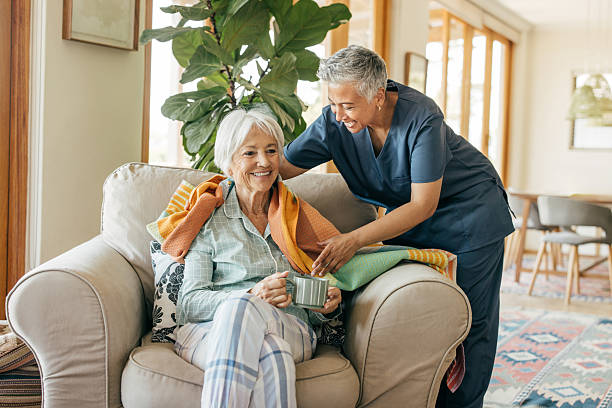
The creation of a personalized care plan begins with a comprehensive assessment. This process typically involves healthcare professionals, caregivers, and often the resident’s family. Medical history, current health conditions, cognitive abilities, mobility levels, and dietary needs are all carefully evaluated.
Equally important are the residents’ preferences. These may include preferred daily routines, hobbies, cultural practices, and even simple choices such as meal times or social activities. By incorporating these personal details, care teams can create a plan that feels natural rather than imposed.
Once the assessment is complete, the care plan is documented and shared among the caregiving team. This ensures consistency in how care is delivered while allowing flexibility for adjustments as the resident’s needs evolve.
The Role of Ongoing Evaluation and Adaptation
Personalized care plans are not static documents. They are designed to evolve alongside the resident. Regular evaluations are conducted to monitor changes in health, behavior, and overall well-being. These updates are essential in maintaining the effectiveness of the care plan.
For example, a resident who initially required minimal assistance may develop new mobility challenges or cognitive changes. In such cases, the care plan is adjusted to provide additional support while still promoting as much independence as possible.
This ongoing adaptation is what distinguishes personalized care from traditional care models. It ensures that residents continue to receive appropriate support without compromising their autonomy or comfort.
Enhancing Quality of Life Through Tailored Support
One of the most significant advantages of personalized care plans is their impact on quality of life. When care aligns with an individual’s preferences and routines, it creates a sense of familiarity and stability. This is particularly important for residents who may feel overwhelmed by the transition into assisted living.
Tailored support also encourages engagement. Residents are more likely to participate in activities and social interactions when these are aligned with their interests. Whether it involves continuing a lifelong hobby, participating in group events, or simply maintaining a preferred daily routine, personalization fosters a more meaningful living experience.
Additionally, personalized care can contribute to better health outcomes. When care plans are aligned with a resident’s specific needs, it reduces the risk of complications and improves overall well-being. This includes everything from proper medication management to nutritional support and mental health care.
Supporting Independence While Ensuring Safety
A key principle of personalized care is balancing independence with safety. Assisted living environments are designed to provide support, but they also aim to empower residents to maintain control over their daily lives.
Personalized care plans play a crucial role in achieving this balance. By identifying areas where assistance is needed and areas where independence can be preserved, caregivers can provide targeted support without being overly restrictive.
For instance, a resident may require help with medication management but still be fully capable of managing their personal grooming or participating in community activities independently. Recognizing and respecting these distinctions allows residents to retain a sense of control and self-worth.
Collaboration Between Care Teams and Families
Effective personalized care relies on strong collaboration between caregivers, healthcare professionals, and family members. Families often provide valuable insights into the resident’s history, preferences, and personality, which can significantly enhance the care plan.
Open communication ensures that everyone involved is aligned in their approach. It also allows families to stay informed about changes in the resident’s condition and the adjustments made to their care plan.
This collaborative approach builds trust and creates a more supportive environment for the resident. It reinforces the idea that care is not just a service but a shared commitment to the resident’s well-being.
The Future of Personalized Care in Assisted Living
As assisted living continues to evolve, personalized care plans are becoming a central standard rather than an added benefit. Advances in technology, data tracking, and healthcare practices are making it easier to monitor residents’ needs and adjust care plans in real time.
This shift reflects a broader understanding of what quality senior care should look like. It is no longer enough to provide basic support. The focus is now on delivering care that is responsive, respectful, and deeply aligned with each individual’s life.
Personalized care plans represent this progression. They ensure that residents are not defined by their limitations but supported in a way that honors their individuality. In doing so, assisted living communities can create environments where residents not only receive care but truly feel at home.