

Making decisions about long-term care for an aging loved one is rarely simple. Many families try to balance independence, safety, and quality of life for as long as possible. However, there are times when additional support becomes necessary to ensure seniors can live comfortably and securely.
Assisted living communities are designed to provide the right level of help while still preserving independence. These environments offer support with daily activities, social engagement, and professional oversight that can significantly improve overall well-being. Recognizing the signs that a loved one may benefit from assisted living can help families take proactive steps before small challenges become serious risks.
Increasing Difficulty with Daily Activities
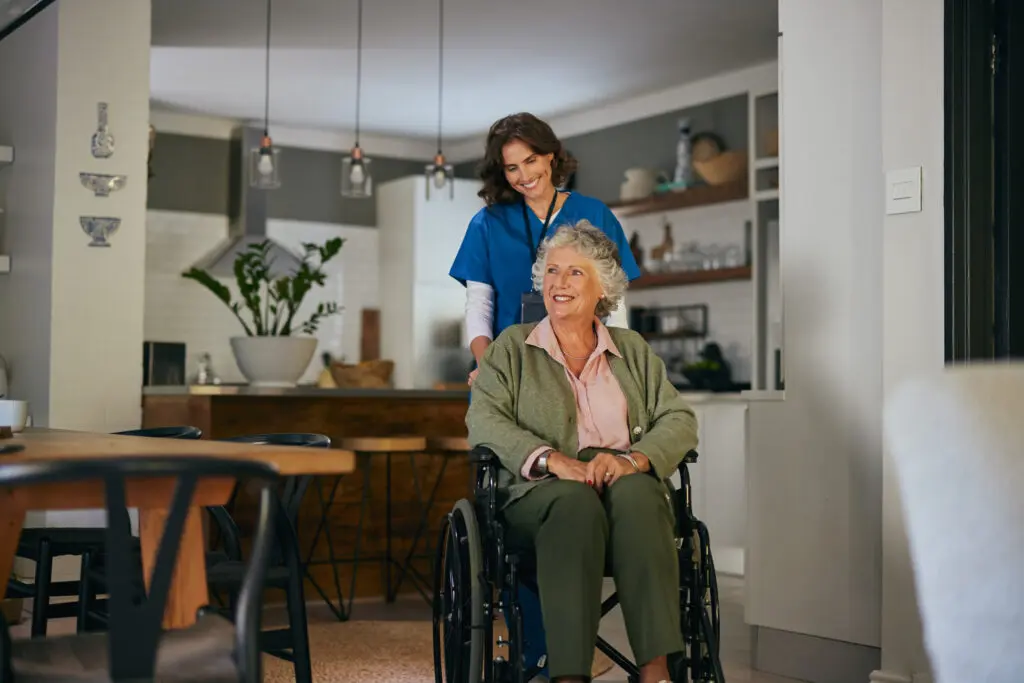
One of the most common indicators that assisted living may be appropriate is when everyday tasks become difficult to manage independently.
Activities such as bathing, dressing, cooking, or housekeeping can gradually become overwhelming for older adults. While occasional assistance from family members can help for a time, ongoing struggles with daily routines often indicate that more consistent support is needed.
Assisted living communities provide structured assistance with these activities while allowing residents to maintain as much independence as possible. Trained staff are available to offer help when needed, ensuring that residents can maintain personal hygiene, proper nutrition, and a clean living environment.
Noticeable Changes in Personal Hygiene or Appearance
Another important sign is a decline in personal grooming or hygiene.
If a once well-groomed individual begins wearing the same clothes repeatedly, neglecting personal care, or struggling to maintain cleanliness, it may indicate that daily routines have become physically or mentally difficult. These changes are often subtle at first but can gradually worsen over time.
Assisted living environments provide support with grooming and personal care while promoting dignity and comfort. Residents receive the help they need while still maintaining control over their personal routines.
Increased Forgetfulness or Cognitive Changes
Memory lapses are a normal part of aging, but persistent forgetfulness or confusion can signal deeper concerns.
For example, forgetting to take medications, missing appointments, or becoming disoriented in familiar places may indicate cognitive decline. In some cases, these symptoms may point to early stages of dementia or other memory-related conditions.
Assisted living communities often provide structured routines and medication management to ensure that residents receive proper care. Staff members can also monitor cognitive changes and coordinate with healthcare providers when necessary.
Frequent Falls or Mobility Challenges
Mobility problems can significantly increase the risk of injury for older adults living alone.
If a loved one has experienced frequent falls, struggles with balance, or has difficulty moving around their home safely, it may be time to consider an environment that offers greater accessibility and supervision.
Assisted living communities are designed with senior safety in mind. Features such as handrails, accessible bathrooms, emergency response systems, and on-site support staff can help reduce the risk of accidents while promoting confidence in daily movement.
Isolation or Withdrawal from Social Activities
Social engagement plays an essential role in maintaining emotional and mental health during aging.
If a loved one has stopped participating in hobbies, social gatherings, or activities they once enjoyed, isolation may become a growing concern. Living alone can sometimes lead to loneliness, which has been linked to depression and declining cognitive health.
Assisted living communities provide regular opportunities for residents to socialize through group activities, shared dining, wellness programs, and recreational events. These opportunities encourage meaningful connections and help residents maintain an active lifestyle.
Poor Nutrition or Unintentional Weight Loss
Another warning sign may appear in eating habits.
Preparing balanced meals can become challenging for seniors who live alone, particularly if mobility issues or fatigue make grocery shopping and cooking difficult. Over time, this can lead to skipped meals, poor nutrition, or noticeable weight loss.
In assisted living communities, residents typically receive regular, nutritious meals prepared by professional staff. Dining programs also offer a social setting that encourages consistent eating habits and better overall nutrition.
Caregiver Stress and Family Concerns
Sometimes the signs are not only visible in the senior but also in their caregivers.
Family members who provide ongoing support may begin experiencing stress, fatigue, or difficulty balancing caregiving responsibilities with work and personal commitments. Even when families are dedicated to helping their loved ones remain at home, the demands of caregiving can eventually become overwhelming.
Assisted living can provide relief for families by ensuring that seniors receive professional care in a safe and supportive environment. This allows family members to focus more on spending quality time with their loved ones rather than managing daily care responsibilities.
Taking the Next Step Toward Supportive Living
Recognizing these signs early can make the transition to assisted living smoother and less stressful for everyone involved. When seniors receive the right level of support at the right time, they often experience improvements in safety, health, and overall quality of life.
Assisted living communities are designed not only to address care needs but also to foster independence, social engagement, and peace of mind for both residents and their families. By paying attention to changes in daily functioning, health, and well-being, families can make informed decisions that prioritize comfort, dignity, and long-term care.