

Assisted living communities are designed to support individuals who value independence but may need help with daily activities. The challenge lies in creating an environment that prioritizes safety without compromising the warmth and familiarity of home. Modern assisted living communities achieve this balance by integrating thoughtful design, personalized care, and a strong sense of community.
Rather than resembling clinical institutions, today’s communities focus on comfort-driven living. Residents are encouraged to bring personal belongings, decorate their spaces, and maintain routines that reflect their lifestyles. This approach helps ease the transition while fostering a sense of belonging.
Thoughtful Design That Enhances Safety
One of the most critical elements in assisted living is the physical environment. Communities are intentionally designed to minimize risks while maintaining a welcoming atmosphere.
Features such as non-slip flooring, wide hallways, handrails, and well-lit pathways are standard. Emergency call systems are discreetly installed, allowing residents to access help when needed without feeling constantly monitored. Bathrooms often include walk-in showers and grab bars, reducing the likelihood of accidents.
At the same time, these safety measures are seamlessly incorporated into the overall design. Instead of appearing institutional, spaces are styled with comfortable furnishings, warm lighting, and residential layouts that feel familiar and inviting.
Personalized Care That Respects Independence
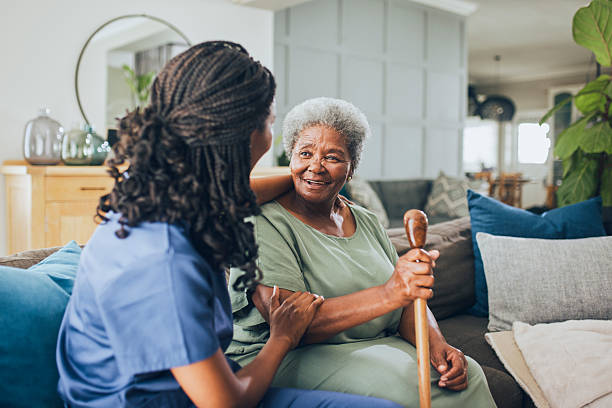
Safety in assisted living is not limited to physical infrastructure. It also extends to the level of care provided. Each resident typically receives a personalized care plan tailored to their needs, whether it involves medication management, mobility assistance, or help with daily tasks.
Importantly, care is delivered in a way that preserves autonomy. Residents are not treated as patients but as individuals with preferences and routines. Staff members are trained to assist only when necessary, allowing residents to remain as independent as possible.
This personalized approach ensures that residents feel supported rather than restricted, which is essential in maintaining a home-like environment.
Creating Familiar and Comfortable Living Spaces
A key factor in making assisted living feel like home is the ability for residents to personalize their living spaces. Private or semi-private apartments often include familiar features such as bedrooms, living areas, and kitchenettes.
Residents can bring their own furniture, photographs, and décor, transforming the space into something that reflects their identity. This familiarity reduces feelings of displacement and helps residents settle more comfortably into their new environment.
Common areas are also designed to resemble shared living spaces rather than institutional rooms. Cozy lounges, dining areas, and outdoor gardens provide opportunities for relaxation and social interaction.
Building a Strong Sense of Community
A home is more than just a physical space; it is also about connection. Assisted living communities place a strong emphasis on social engagement to combat isolation and promote emotional well-being.
Organized activities such as group exercises, hobby classes, and social events encourage residents to interact with one another. Shared dining experiences also play a significant role in fostering relationships, creating a sense of routine and togetherness.
Staff members contribute to this environment by building meaningful relationships with residents. Consistent interaction and familiarity help create trust, making the community feel more like an extended family than a care facility.
24/7 Support Without Intrusion
Safety is reinforced through continuous access to trained staff. Assisted living communities typically provide round-the-clock support, ensuring that help is always available in case of emergencies or immediate needs.
However, this support is designed to be unobtrusive. Residents are not constantly supervised in a way that feels restrictive. Instead, systems are in place to provide quick assistance when necessary while allowing residents to go about their daily lives freely.
This balance is essential in maintaining dignity and independence while still offering peace of mind to both residents and their families.
Nutritious Dining in a Welcoming Setting
Meals are an integral part of daily life and play a significant role in creating a home-like atmosphere. Assisted living communities prioritize nutritious, well-balanced meals while also focusing on the dining experience itself.
Dining areas are often designed to resemble restaurants or family dining rooms rather than cafeterias. Residents can enjoy meals in a social setting, choose from menu options, and accommodate dietary preferences or restrictions.
This approach not only supports physical health but also enhances the overall quality of life, making mealtimes something to look forward to.
Encouraging Routine and Familiarity
Maintaining a sense of routine is crucial for emotional stability and comfort. Assisted living communities encourage residents to continue their daily habits, whether it involves morning walks, reading, or participating in preferred activities.
Structured schedules are available but not mandatory, allowing residents to choose how they spend their time. This flexibility helps maintain a sense of control and normalcy, which is essential in creating a home-like environment.
Integrating Technology for Added Security
Modern assisted living communities are increasingly incorporating technology to enhance safety. From wearable alert devices to advanced monitoring systems, technology provides an additional layer of protection.
These tools are designed to be user-friendly and discreet, ensuring that residents benefit from increased safety without feeling overwhelmed or intruded upon. Technology also allows staff to respond more quickly and efficiently when assistance is needed.
Supporting Emotional and Mental Well-Being
A safe environment is not solely defined by physical protection. Emotional and mental well-being are equally important. Assisted living communities often provide access to wellness programs, counseling, and activities that promote cognitive engagement.
Whether through music therapy, art sessions, or social gatherings, these programs help residents stay mentally active and emotionally connected. A supportive environment that prioritizes overall well-being contributes significantly to the feeling of being at home.
Conclusion
Assisted living communities have evolved to offer more than just care—they provide environments where safety and comfort coexist. Through thoughtful design, personalized support, and a strong sense of community, these spaces allow residents to maintain independence while enjoying the reassurance of assistance when needed.
By focusing on both physical safety and emotional well-being, assisted living communities successfully create a setting that feels not only secure but genuinely like home.