
Aging brings many changes, both physically and emotionally. While much attention is often given to medical care, social well-being plays an equally critical role in maintaining a high quality of life. For older adults, staying socially connected is not simply about having conversations—it directly impacts mental health, cognitive function, and even physical wellness.
Isolation is one of the most common challenges seniors face, especially those who live alone or have limited mobility. Over time, this lack of interaction can lead to feelings of loneliness, depression, and anxiety. Assisted living facilities are uniquely positioned to address this issue by fostering environments where residents can engage with others daily in meaningful ways.
Creating a Built-In Community
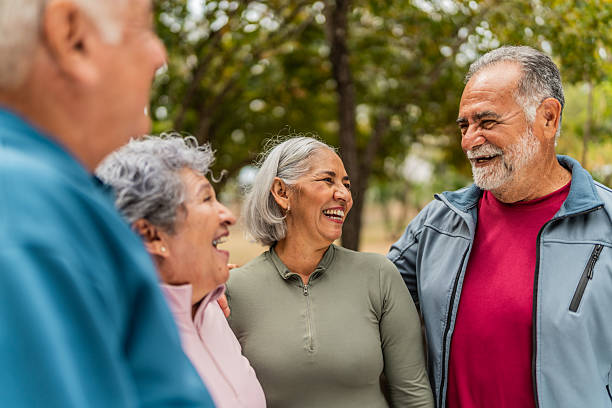
One of the most immediate advantages of assisted living is the presence of a built-in community. Residents are surrounded by peers who are often in similar stages of life, making it easier to form friendships and shared experiences.
This sense of belonging is powerful. Instead of navigating daily life in isolation, residents become part of a social ecosystem where interaction happens naturally—during meals, group activities, or even casual conversations in shared spaces. Over time, these interactions evolve into genuine relationships that provide emotional support and companionship.
Unlike living independently, where social opportunities require planning and effort, assisted living integrates connection into everyday life.
Supporting Mental and Emotional Well-Being
Regular social engagement has a measurable impact on mental health. Studies consistently show that seniors who maintain active social lives experience lower rates of depression and anxiety. Being part of a community provides emotional reassurance, reduces stress, and fosters a more positive outlook.
In assisted living settings, residents often participate in group discussions, hobby clubs, and recreational events. These activities are not just for entertainment—they create opportunities for expression, laughter, and shared understanding.
Emotional well-being is also strengthened through peer support. Residents often find comfort in speaking with others who understand similar life transitions, such as retirement, health challenges, or the loss of loved ones.
Encouraging Cognitive Stimulation
Social interaction naturally stimulates the brain. Conversations, games, and collaborative activities require memory, attention, and problem-solving skills—all of which help maintain cognitive function.
Assisted living facilities typically offer structured programs such as trivia games, book clubs, art sessions, and educational workshops. These activities encourage residents to think critically, stay curious, and remain mentally engaged.
Even simple daily interactions—like chatting during meals or participating in group exercises—contribute to cognitive health. Over time, this consistent stimulation can help slow cognitive decline and support long-term mental sharpness.
Promoting Physical Health Through Engagement
Social engagement often leads to increased physical activity. When residents feel motivated to participate in group events or outings, they are more likely to stay active.
Assisted living communities frequently organize group exercise classes, walking clubs, and wellness programs designed specifically for seniors. These activities not only improve mobility and strength but also make physical activity more enjoyable.
There is also a subtle but important psychological factor at play. When individuals feel socially connected, they are more likely to take better care of themselves, attend medical appointments, and adhere to wellness routines.
Building a Sense of Purpose
A strong sense of purpose is essential for overall well-being, regardless of age. Social environments provide opportunities for residents to contribute, participate, and feel valued.
In assisted living facilities, residents may take part in volunteer programs, mentorship roles, or community projects. Some may lead group activities, share their skills, or help organize events. These contributions reinforce a sense of identity and self-worth.
Purpose-driven engagement helps combat feelings of stagnation and gives residents something to look forward to each day. It transforms daily life from routine to meaningful.
Strengthening Family Relationships
Social engagement within assisted living does not replace family connections—it enhances them. When residents are emotionally fulfilled and socially active, interactions with family members often become more positive and meaningful.
Families can visit knowing their loved ones are not isolated or disengaged. Many facilities also host family-inclusive events, celebrations, and activities that encourage shared experiences.
This balanced dynamic allows families to focus on quality time rather than worrying about loneliness or unmet social needs.
Encouraging Independence Through Supportive Interaction
It may seem counterintuitive, but social environments can actually promote independence. When residents feel supported and connected, they are more confident in navigating daily life.
Peer encouragement plays a significant role. Seeing others participate in activities or maintain routines can inspire residents to do the same. This sense of shared experience fosters motivation and resilience.
Assisted living communities are designed to provide the right level of support while still encouraging autonomy. Social engagement becomes a key component in maintaining that balance.
A Holistic Approach to Senior Living
The benefits of community and social engagement extend far beyond simple companionship. They influence nearly every aspect of a resident’s well-being, from mental health and cognitive function to physical activity and emotional stability.
Assisted living facilities recognize that care is not only about meeting physical needs—it is about creating an environment where individuals can thrive socially and emotionally.
By integrating opportunities for connection into daily life, these communities help residents maintain dignity, purpose, and joy in their later years.